Shulph Ink
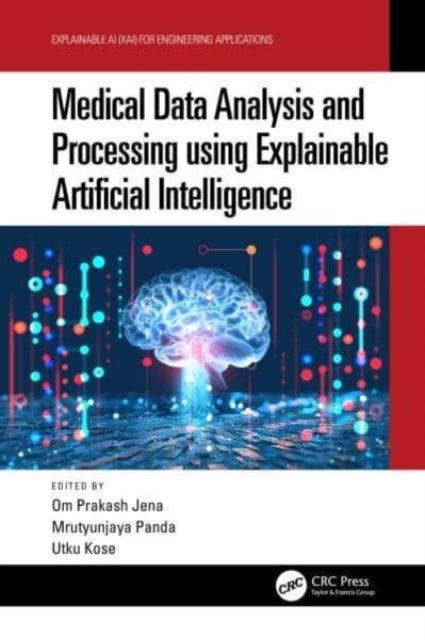
Medical Data Analysis and Processing using Explainable Artificial Intelligence
Medical Data Analysis and Processing using Explainable Artificial Intelligence
💎 Earn 887 Points (£8.87) on this item.
We can order this item for you. Delivery usually takes about 4 to 6 weeks.
This item is not held in our immediate stock. We will order it for you after checkout.
Estimated delivery: About 4 to 6 weeks
YOU SAVE £10.53
- Condition: Brand new
- UK Delivery times: Usually arrives within 2 - 3 working days
- UK Shipping: Fee starts at £3.89. Subject to product weight & dimension
Bulk ordering. Want 15 or more copies? Get a personalised quote and bigger discounts. Learn more about bulk orders.
Couldn't load pickup availability
- More about Medical Data Analysis and Processing using Explainable Artificial Intelligence
The text discusses explainable artificial intelligence (XAI) in solving real-world biomedical and healthcare problems, focusing on machine learning, IoT, and deep learning algorithms for medical data analysis and processing. It is an ideal reference text for graduate students and academic researchers in various engineering fields.
Format: Hardback
Length: 252 pages
Publication date: 06 November 2023
Publisher: Taylor & Francis Ltd
Explainable artificial intelligence (XAI) is a rapidly evolving field that has the potential to revolutionize the healthcare industry by providing accurate and reliable diagnoses, personalized treatment plans, and improved patient outcomes. XAI refers to the ability of artificial intelligence (AI) systems to understand and explain their decisions and actions, which is crucial for building trust and confidence in these systems.
One of the key challenges in healthcare is the vast amount of data that needs to be analyzed and processed. Traditional AI algorithms are not able to handle this amount of data effectively, which leads to inaccurate diagnoses and poor patient care. XAI, on the other hand, uses advanced machine learning and deep learning algorithms to analyze large datasets and extract meaningful insights.
One of the most promising applications of XAI in healthcare is in the field of medical imaging. XAI algorithms can analyze medical images such as CT scans, MRI scans, and X-rays to identify abnormalities, diagnose diseases, and predict patient outcomes. For example, XAI algorithms can be used to detect early signs of cancer, identify heart disease, and assess the severity of brain injuries.
Another area where XAI is making significant strides is in the field of drug discovery. XAI algorithms can analyze large datasets of chemical compounds and identify potential drug candidates that have the potential to treat various diseases. This can significantly reduce the time and cost of drug development and improve the success rate of new treatments.
In addition to these applications, XAI is also being used in the field of healthcare management to improve patient care and reduce costs. XAI algorithms can analyze patient data to identify patterns and trends that can help healthcare providers make informed decisions about patient care. For example, XAI algorithms can be used to predict patient readmissions, identify patients who are at risk of developing complications, and optimize patient flow in hospitals.
Despite the many benefits of XAI, there are also challenges that need to be addressed. One of the biggest challenges is the lack of transparency and explainability of AI systems. XAI aims to address this by providing insights into the decision-making process of AI systems, which can help build trust and confidence in these systems.
Another challenge is the ethical implications of using AI in healthcare. XAI systems can make decisions that have significant impacts on patient care, and it is important to ensure that these decisions are made in a fair and ethical manner. This requires careful consideration of the ethical principles that guide the use of AI in healthcare and the development of robust ethical frameworks and guidelines.
In conclusion, explainable artificial intelligence (XAI) has the potential to transform the healthcare industry by providing accurate and reliable diagnoses, personalized treatment plans, and improved patient outcomes. XAI uses advanced machine learning and deep learning algorithms to analyze large datasets and extract meaningful insights, which can help address the many challenges facing the healthcare industry. However, there are also challenges that need to be addressed, such as the lack of transparency and explainability of AI systems and the ethical implications of using AI in healthcare. By addressing these challenges, XAI has the potential to improve patient care and reduce costs while building trust and confidence in AI systems.
Weight: 660g
Dimension: 234 x 156 (mm)
ISBN-13: 9781032191126
UK and International shipping information
UK and International shipping information
We deliver throughout the United Kingdom and to 128 countries and territories worldwide, including the United States, Australia, Canada, Germany, Spain and France.