Shulph Ink
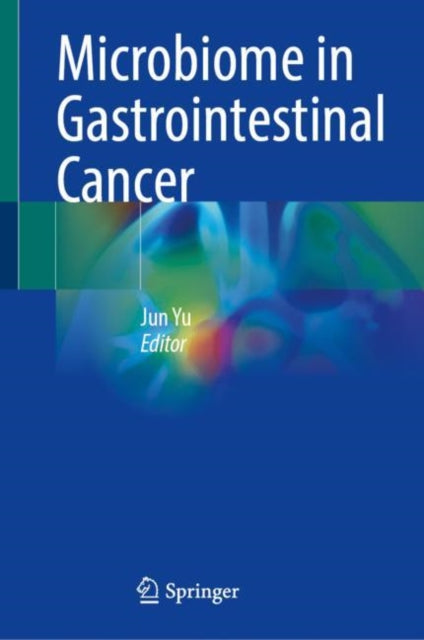
Microbiome in Gastrointestinal Cancer
Microbiome in Gastrointestinal Cancer
💎 Earn 509 Points (£5.09) on this item.
We can order this item for you. Delivery usually takes about 4 to 6 weeks.
This item is not held in our immediate stock. We will order it for you after checkout.
Estimated delivery: About 4 to 6 weeks
YOU SAVE £18.05
- Condition: Brand new
- UK Delivery times: Usually arrives within 2 - 3 working days
- UK Shipping: Fee starts at £2.39. Subject to product weight & dimension
Bulk ordering. Want 15 or more copies? Get a personalised quote and bigger discounts. Learn more about bulk orders.
Couldn't load pickup availability
- More about Microbiome in Gastrointestinal Cancer
This book explores the potential of the gut microbiota to prevent and treat cancer, covering topics such as characterization, molecular mechanisms, methodologies, and applications. Contributors are international experts in the field.
Format: Hardback
Length: 302 pages
Publication date: 17 January 2023
Publisher: Springer Verlag, Singapore
This comprehensive book delves into cutting-edge research on the potential of harnessing the gut microbiota for cancer prevention and modulation of chemotherapy and immunotherapy efficacy. It encompasses a wide range of topics, including the characterization of the dysregulated microbiome in gastrointestinal cancers, the molecular mechanisms by which gut microbes exert their effects, and the methodologies employed to study their role in cancer development. The book also explores the potential applications of gut microbes in the prevention and treatment of gastrointestinal cancers.
Contributors to this book are esteemed international experts in molecular and cellular biology, microbiology, metabolomics, bioinformatics, and physician scientists, who offer in-depth reviews of this subject. This book serves as a valuable resource for graduate students, basic researchers, and physicians seeking to gain a deeper understanding of the role of the gut microbiota in cancer prevention and treatment.
The first chapter, titled "Characterization of the Dysregulated Microbiome in Gastrointestinal Cancers," provides an overview of the current knowledge regarding the composition and function of the gut microbiota in gastrointestinal cancers. It highlights the differences in microbial communities between cancer patients and healthy individuals and discusses the potential implications of these changes for cancer development and treatment.
The second chapter, titled "The Molecular Mechanism of Action of Gut Microbiota via Microbial Metabolites and Direct Interaction with Host Cancer or Immune Cells," delves into the mechanisms by which gut microbes may contribute to cancer development. It explores the production of microbial metabolites, such as short-chain fatty acids and bile acids, that have been linked to cancer promotion and suppression. It also discusses the direct interactions between gut microbes and host cancer or immune cells, which can influence tumor growth, immune response, and chemotherapy resistance.
The third chapter, titled "Key Methodologies for Studying the Role of Gut Microbiota in Cancers," provides an introduction to the methodologies used to study the gut microbiota in cancer research. It discusses the techniques employed for gut microbiome analysis, including 16S rRNA gene sequencing, metagenomic analysis, and functional genomics. It also highlights the challenges and limitations associated with these methodologies and discusses the strategies used to overcome them.
The fourth chapter, titled "The Potential Application of Gut Microbes for the Prevention and Treatment of Gastrointestinal Cancers," explores the potential use of gut microbes as a therapeutic strategy for cancer prevention and treatment. It discusses the role of gut microbes in regulating immune function, metabolism, and inflammation, which can influence cancer development and progression. It also discusses the potential benefits of probiotics, prebiotics, and other dietary interventions that modulate the gut microbiota for cancer prevention and treatment.
The final chapter, titled "Conclusion and Future Perspectives," summarizes the key findings and conclusions of the book. It discusses the future directions for research in this field and highlights the potential for gut microbiota-based therapies to revolutionize the treatment of gastrointestinal cancers.
In conclusion, this comprehensive book provides a valuable resource for researchers, physicians, and healthcare professionals seeking to understand the role of the gut microbiota in cancer prevention and treatment. It offers a comprehensive overview of the current knowledge in this field, highlights the potential applications of gut microbes, and provides insights into the methodologies employed for studying their role in cancer development. With its contributions from esteemed international experts, this book is a must-read for anyone interested in advancing our understanding of the gut microbiota and its potential to improve cancer outcomes.
Weight: 660g
Dimension: 160 x 242 x 18 (mm)
ISBN-13: 9789811944918
Edition number: 1st ed. 2023
This item can be found in:
UK and International shipping information
UK and International shipping information
UK Delivery and returns information:
- Delivery within 2 - 3 days when ordering in the UK.
- Shipping fee for UK customers from £2.39. Fully tracked shipping service available.
- Returns policy: Return within 30 days of receipt for full refund.
International deliveries:
Shulph Ink now ships to Australia, Belgium, Canada, France, Germany, Ireland, Italy, India, Luxembourg Saudi Arabia, Singapore, Spain, Netherlands, New Zealand, United Arab Emirates, United States of America.
- Delivery times: within 5 - 10 days for international orders.
- Shipping fee: charges vary for overseas orders. Only tracked services are available for most international orders. Some countries have untracked shipping options.
- Customs charges: If ordering to addresses outside the United Kingdom, you may or may not incur additional customs and duties fees during local delivery.