Hiep XuanNguyen
Microneedles: The Future of Drug Delivery
Microneedles: The Future of Drug Delivery
💎 Earn 887 Points (£8.87) on this item.
We can order this item for you. Delivery usually takes about 4 to 6 weeks.
This item is not held in our immediate stock. We will order it for you after checkout.
Estimated delivery: About 4 to 6 weeks
YOU SAVE £10.53
- Condition: Brand new
- UK Delivery times: Usually arrives within 2 - 3 working days
- UK Shipping: Fee starts at £3.89. Subject to product weight & dimension
Bulk ordering. Want 15 or more copies? Get a personalised quote and bigger discounts. Learn more about bulk orders.
Couldn't load pickup availability
- More about Microneedles: The Future of Drug Delivery
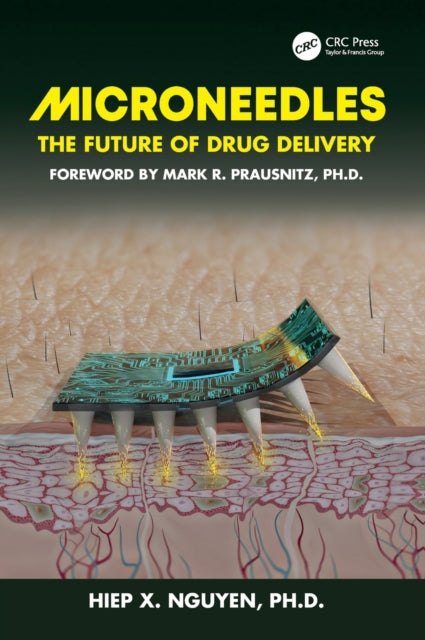
The book "Microneedles: The Future of Drug Delivery" provides a comprehensive understanding of microneedles, from production to applications in drug delivery and diagnosis. It is written for graduate students, researchers, scientists, and engineers in the pharmaceutical, medical, cosmeceutical, and biotechnology industry.
Format: Hardback
Length: 384 pages
Publication date: 04 July 2023
Publisher: Taylor & Francis Ltd
The microneedle field has witnessed an extraordinary surge in growth, driven by the introduction of innovative designs and diverse applications. This captivating field has garnered the attention of both academic and industry sectors, leading to a significant increase in interest. Microneedles: The Future of Drug Delivery serves as a comprehensive resource for individuals seeking to delve into the world of microneedles. Spanning from their percutaneous absorption to their production, characterization, applications in drug delivery and diagnosis, and practical considerations regarding their development, manufacturing, regulatory challenges, and commercialization, this book offers a deep understanding of microneedles. Authored by a single author, it presents complex information in a clear, concise, and cohesive manner, making it accessible to a wide range of readers, including graduate students, researchers, scientists, and engineers engaged in the pharmaceutical, medical, cosmeceutical, and biotechnology industries.
Microneedles, tiny needles with a diameter ranging from a few micrometers to several millimeters, have emerged as a promising tool in drug delivery and medical applications. Their unique properties, such as the ability to penetrate the skin and deliver drugs directly into the bloodstream, have the potential to revolutionize the way medications are administered. In this book, we will explore the fundamentals of microneedles, including their composition, structure, and manufacturing processes. We will also discuss their various applications in drug delivery, such as vaccines, gene therapy, and cosmetics.
One of the key advantages of microneedles is their ability to enhance drug absorption. By creating microscopic punctures in the skin, microneedles can increase the surface area of the drug, allowing it to be absorbed more efficiently into the bloodstream. This can lead to improved therapeutic outcomes and reduced side effects, particularly for drugs that have poor bioavailability or are difficult to deliver through traditional routes.
Another important application of microneedles is in the field of drug delivery for chronic diseases. Microneedles can be used to deliver drugs continuously over an extended period, providing a more convenient and effective treatment option for patients with conditions such as diabetes, asthma, and rheumatoid arthritis. This approach can help improve patient compliance and reduce the frequency of medication administration.
In addition to drug delivery, microneedles have also been used in medical diagnostics. They can be used to collect samples from the skin, blood, and other bodily fluids for analysis. Microneedles can be designed to release specific biomarkers or antibodies that can be detected by medical devices, providing a non-invasive and convenient way to diagnose diseases.
Despite their many advantages, microneedles also present several challenges. One of the main challenges is the safety of microneedles. Since they penetrate the skin, there is a risk of infection, bleeding, and allergic reactions. Therefore, careful consideration must be given to the design and manufacturing of microneedles to ensure their safety and efficacy.
Another challenge is the regulatory environment surrounding microneedles. Different countries have different regulations and guidelines for the use of medical devices, and microneedles are no exception. Therefore, manufacturers must comply with these regulations to ensure the safety and efficacy of their products.
In conclusion, microneedles have the potential to transform drug delivery and medical diagnostics. Their unique properties, such as enhanced drug absorption and continuous drug delivery, make them an attractive option for a wide range of applications. However, careful consideration must be given to the safety, regulatory, and commercialization aspects of microneedles to ensure their successful development and implementation.
Weight: 907g
Dimension: 254 x 178 (mm)
ISBN-13: 9780367266509
UK and International shipping information
UK and International shipping information
We deliver throughout the United Kingdom and to 128 countries and territories worldwide, including the United States, Australia, Canada, Germany, Spain and France.