Shulph Ink
Nanoarchitectonics for Brain Drug Delivery
Nanoarchitectonics for Brain Drug Delivery
We can order this item for you. Delivery usually takes about 4 to 6 weeks.
This item is not held in our immediate stock. We will order it for you after checkout.
Estimated delivery: About 4 to 6 weeks
YOU SAVE £16.54
- Condition: Brand new
- UK Delivery times: Usually arrives within 2 - 3 working days
- UK Shipping: Fee starts at £3.89. Subject to product weight & dimension
Bulk ordering. Want 15 or more copies? Get a personalised quote and bigger discounts. Learn more about bulk orders.
Couldn't load pickup availability
- More about Nanoarchitectonics for Brain Drug Delivery
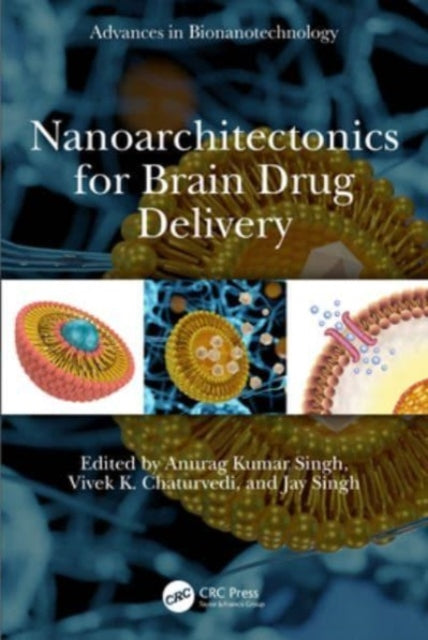
This book discusses the basics of brain diseases and the role of nanobiotechnology in existing treatment options for neurodegenerative disorders. It highlights the current route for intranasal advanced drug-delivery systems and innovative categories of drug-delivery systems, including mesoporous silica nanoparticles, polymeric nanocarriers, and lipid-based nanocarriers. It is aimed at graduate students and researchers in biomedical engineering, biotechnology, drug delivery, and neurology.
Format: Hardback
Length: 362 pages
Publication date: 22 February 2024
Publisher: Taylor & Francis Ltd
This comprehensive book delves into the intricate realm of brain diseases, exploring their underlying causes, mechanisms, and potential treatment options. It serves as a valuable resource for both professionals and students seeking to gain a deeper understanding of these complex disorders.
The book begins by providing a comprehensive overview of brain diseases, highlighting their prevalence, impact, and the urgent need for innovative treatment approaches. It emphasizes the challenges associated with conventional drug delivery systems, particularly in targeting the brain, and explores the potential of nanobiotechnology to overcome these barriers.
The author then delves into the realm of advanced drug-delivery systems, specifically focusing on nose-to-brain delivery. This approach involves the use of nanotechnology-based platforms to enhance drug absorption and transport across the blood-brain barrier, thereby improving the efficacy of therapeutic agents. The book discusses various technological approaches, such as mesoporous silica nanoparticles, polymeric nanocarriers, and lipid-based nanocarriers, and their implications in brain disorders.
One of the key highlights of the book is its discussion of innovative categories of drug-delivery systems. These include mesoporous silica nanoparticles, which possess unique properties such as high drug loading capacity, controlled release, and biocompatibility. Polymeric nanocarriers, on the other hand, offer advantages such as flexibility, stability, and the ability to target specific cells or tissues. Lipid-based nanocarriers, derived from natural lipids, are known for their ability to enhance drug permeability and stability in the bloodstream.
Furthermore, the book explores the role of multi-responsive drug-delivery systems (DDSs) in brain disorders. DDSs are designed to respond to specific environmental cues, such as pH, temperature, or magnetic fields, which can trigger drug release or transport. This approach allows for more precise and targeted drug delivery to the brain, minimizing side effects and improving treatment outcomes.
The book also discusses the use of herbal medicines and naturally derived polymeric nanoparticles in the treatment of neurodegenerative disorders. These natural compounds have shown promising results in mitigating symptoms and slowing down the progression of these diseases. The author provides a comprehensive review of the literature on these topics, highlighting the potential benefits and challenges associated with their use.
In conclusion, this book is a valuable resource for graduate students and researchers in biomedical engineering, biotechnology, drug delivery, and neurology. It provides a comprehensive and up-to-date overview of brain diseases, advanced drug-delivery systems, and innovative categories of drug-delivery systems. The book also explores the role of nanobiotechnology in existing treatment options for neurodegenerative disorders, highlighting its potential for transforming the field of neurology.
Weight: 860g
Dimension: 234 x 156 (mm)
ISBN-13: 9781032555393
UK and International shipping information
UK and International shipping information
We deliver throughout the United Kingdom and to 128 countries and territories worldwide, including the United States, Australia, Canada, Germany, Spain and France.