Shulph Ink
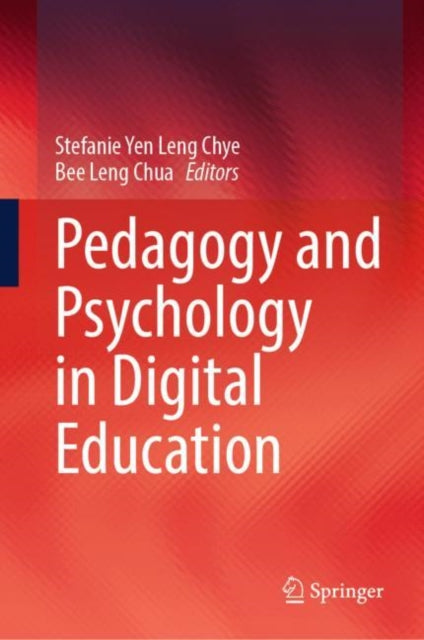
Pedagogy and Psychology in Digital Education
Pedagogy and Psychology in Digital Education
💎 Earn 578 Points (£5.78) on this item.
We can order this item for you. Delivery usually takes about 4 to 6 weeks.
This item is not held in our immediate stock. We will order it for you after checkout.
Estimated delivery: About 4 to 6 weeks
YOU SAVE £24.36
- Condition: Brand new
- UK Delivery times: Usually arrives within 2 - 3 working days
- UK Shipping: Fee starts at £2.39. Subject to product weight & dimension
Bulk ordering. Want 15 or more copies? Get a personalised quote and bigger discounts. Learn more about bulk orders.
Couldn't load pickup availability
- More about Pedagogy and Psychology in Digital Education
The book explores the intersection of educational psychology and educational technology, providing insights into the psychological dimension of technology-based learning and its impact on learners' cognitive and affective processes, pedagogical approaches, and learning environments. It highlights the potential of technology to develop twenty-first-century competencies but also discusses the pitfalls, challenges, and dangers associated with its use.
Format: Hardback
Length: 195 pages
Publication date: 01 August 2023
Publisher: Springer Verlag, Singapore
This book brings together the latest research on the intersection of educational psychology and educational technology, consolidating contemporary research on the psychological dimension of technology-based learning and its impact on learners. It provides a comprehensive understanding of the affordances of technology-based learning, including how they can enhance cognitive and affective processes, facilitate new pedagogical approaches, and transform learning environments. The book explores how technology can be used to develop twenty-first-century competencies such as creativity, critical thinking, problem-solving skills, digital literacy, reflection, and lifelong learning, while also addressing the pitfalls, challenges, and dangers associated with its use.
Book Overview
This book brings together the latest research on the intersection of educational psychology and educational technology, consolidating contemporary research on the psychological dimension of technology-based learning and its impact on learners. It provides a comprehensive understanding of the affordances of technology-based learning, including how they can enhance cognitive and affective processes, facilitate new pedagogical approaches, and transform learning environments. The book explores how technology can be used to develop twenty-first-century competencies such as creativity, critical thinking, problem-solving skills, digital literacy, reflection, and lifelong learning, while also addressing the pitfalls, challenges, and dangers associated with its use.
Introduction
The book begins with an overview of the current state of educational technology and its impact on learning. It highlights the increasing use of technology in education, the challenges associated with its implementation, and the potential benefits it can offer. The authors argue that technology can be a powerful tool for learning, but only if it is used in a way that is aligned with educational goals and principles. They also emphasize the importance of considering the psychological dimension of technology-based learning, as it can have a significant impact on learners' cognitive and affective processes.
The Psychological Dimension of Technology-Based Learning
The book then delves into the psychological dimension of technology-based learning. It explores the various psychological theories and models that have been developed to understand the impact of technology on learning. The authors discuss the role of motivation, engagement, and self-regulation in technology-based learning, and how these factors can influence learners' performance and outcomes. They also examine the impact of technology on cognitive processes, such as memory, attention, and problem-solving, and how these processes can be enhanced through the use of technology.
Affordances of Technology-Based Learning
The book then discusses the affordances of technology-based learning. It highlights the various ways in which technology can be used to enhance learning, including through the use of multimedia, interactive simulations, and online learning platforms. The authors discuss the advantages and disadvantages of each of these technologies, and how they can be used to create engaging and effective learning experiences. They also explore the potential of technology-based learning to transform learning environments, by providing access to a wider range of resources and opportunities for learning.
New Pedagogical Approaches
The book also explores the potential of technology-based learning to facilitate new pedagogical approaches. It discusses the use of game-based learning, project-based learning, and inquiry-based learning, and how these approaches can engage learners and promote deeper learning. The authors argue that technology can be used to create more personalized and adaptive learning experiences, which can better meet the needs of individual learners.
Transformative Learning Environments
The book also explores the potential of technology-based learning to transform learning environments. It discusses the use of virtual and augmented reality, and how these technologies can create immersive and interactive learning experiences that can enhance learners' understanding of complex concepts. The authors argue that technology can be used to create more collaborative and participatory learning environments, which can promote deeper learning and social interaction.
Pitfalls, Challenges, and Dangers
However, the book also acknowledges the pitfalls, challenges, and dangers associated with the use of technology-based learning. It discusses the potential for technology to be used inappropriately, for example, to promote cheating or to create a sense of isolation among learners. The authors also discuss the potential for technology to be used to reinforce existing social and economic inequalities, and to create a sense of dependency among learners.
Conclusion
In conclusion, this book brings together the latest research on the intersection of educational psychology and educational technology, consolidating contemporary research on the psychological dimension of technology-based learning and its impact on learners. It provides a comprehensive understanding of the affordances of technology-based learning, including how they can enhance cognitive and affective processes, facilitate new pedagogical approaches, and transform learning environments. The book also acknowledges the pitfalls, challenges, and dangers associated with the use of technology-based learning, and provides guidance for educators and policymakers on how to use technology in a way that is aligned with educational goals and principles.
Introduction
The book begins with an overview of the current state of educational technology and its impact on learning. It highlights the increasing use of technology in education, the challenges associated with its implementation, and the potential benefits it can offer. The authors argue that technology can be a powerful tool for learning, but only if it is used in a way that is aligned with educational goals and principles. They also emphasize the importance of considering the psychological dimension of technology-based learning, as it can have a significant impact on learners' cognitive and affective processes.
The Psychological Dimension of Technology-Based Learning
The book then delves into the psychological dimension of technology-based learning. It explores the various psychological theories and models that have been developed to understand the impact of technology on learning. The authors discuss the role of motivation, engagement, and self-regulation in technology-based learning, and how these factors can influence learners' performance and outcomes. They also examine the impact of technology on cognitive processes, such as memory, attention, and problem-solving, and how these processes can be enhanced through the use of technology.
Affordances of Technology-Based Learning
The book then discusses the affordances of technology-based learning. It highlights the various ways in which technology can be used to enhance learning, including through the use of multimedia, interactive simulations, and online learning platforms. The authors discuss the advantages and disadvantages of each of these technologies, and how they can be used to create engaging and effective learning experiences. They also explore the potential of technology-based learning to transform learning environments, by providing access to a wider range of resources and opportunities for learning.
New Pedagogical Approaches
The book also explores the potential of technology-based learning to facilitate new pedagogical approaches. It discusses the use of game-based learning, project-based learning, and inquiry-based learning, and how these approaches can engage learners and promote deeper learning. The authors argue that technology can be used to create more personalized and adaptive learning experiences, which can better meet the needs of individual learners.
Transformative Learning Environments
The book also explores the potential of technology-based learning to transform learning environments. It discusses the use of virtual and augmented reality, and how these technologies can create immersive and interactive learning experiences that can enhance learners' understanding of complex concepts. The authors argue that technology can be used to create more collaborative and participatory learning environments, which can promote deeper learning and social interaction.
Pitfalls, Challenges, and Dangers
However, the book also acknowledges the pitfalls, challenges, and dangers associated with the use of technology-based learning. It discusses the potential for technology to be used inappropriately, for example, to promote cheating or to create a sense of isolation among learners. The authors also discuss the potential for technology to be used to reinforce existing social and economic inequalities, and to create a sense of dependency among learners.
Conclusion
In conclusion, this book brings together the latest research on the intersection of educational psychology and educational technology, consolidating contemporary research on the psychological dimension of technology-based learning and its impact on learners. It provides a comprehensive understanding of the affordances of technology-based learning, including how they can enhance cognitive and affective processes, facilitate new pedagogical approaches, and transform learning environments. The book also acknowledges the pitfalls, challenges, and dangers associated with the use of technology-based learning, and provides guidance for educators and policymakers on how to use technology in a way that is aligned with educational goals and principles.
Weight: 588g
Dimension: 235 x 155 (mm)
ISBN-13: 9789819921065
Edition number: 1st ed. 2023
UK and International shipping information
UK and International shipping information
UK Delivery and returns information:
- Delivery within 2 - 3 days when ordering in the UK.
- Shipping fee for UK customers from £2.39. Fully tracked shipping service available.
- Returns policy: Return within 30 days of receipt for full refund.
International deliveries:
Shulph Ink now ships to Australia, Belgium, Canada, France, Germany, Ireland, Italy, India, Luxembourg Saudi Arabia, Singapore, Spain, Netherlands, New Zealand, United Arab Emirates, United States of America.
- Delivery times: within 5 - 10 days for international orders.
- Shipping fee: charges vary for overseas orders. Only tracked services are available for most international orders. Some countries have untracked shipping options.
- Customs charges: If ordering to addresses outside the United Kingdom, you may or may not incur additional customs and duties fees during local delivery.