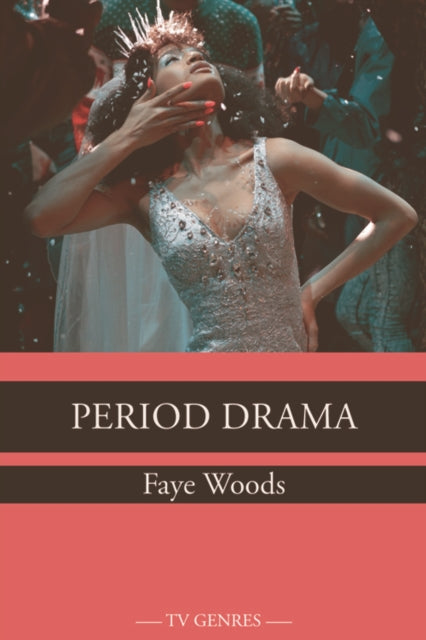
Faye Woods
Period Drama
Period Drama
💎 Earn 383 Points (£3.83) on this item.
We can order this item for you. Delivery usually takes about 4 to 6 weeks.
This item is not held in our immediate stock. We will order it for you after checkout.
Estimated delivery: About 4 to 6 weeks
YOU SAVE £23.30
- Condition: Brand new
- UK Delivery times: Usually arrives within 2 - 3 working days
- UK Shipping: Fee starts at £3.89. Subject to product weight & dimension
Bulk ordering. Want 15 or more copies? Get a personalised quote and bigger discounts. Learn more about bulk orders.
Couldn't load pickup availability
- More about Period Drama
The article explores the dominant debates surrounding period drama through the twin frameworks of prestige and pleasure. It examines how period dramas have evolved to appeal to a broader audience and how they have been critiqued for their historical accuracy and representation.
Format: Hardback
Length: 192 pages
Publication date: 14 March 2022
Publisher: Edinburgh University Press
The allure of period dramas lies in their ability to transport viewers to different eras, immersing them in the rich tapestry of history and culture. These captivating stories often revolve around the lives of influential figures, their struggles, triumphs, and relationships, providing a window into the past.
However, the appeal of period dramas extends beyond mere entertainment. They also serve as a valuable tool for exploring complex social, political, and cultural issues of the past. By examining the societal norms, values, and hierarchies of different periods, period dramas can shed light on the evolution of human society and the challenges that individuals have faced throughout history.
One of the key debates surrounding period dramas is the balance between prestige and pleasure. On the one hand, period dramas are often praised for their artistic merit, technical craftsmanship, and attention to detail. They strive to recreate the visual and sensory experience of a particular era, providing a visual feast for the audience. On the other hand, period dramas are also criticized for their tendency to prioritize style over substance, focusing more on the aesthetics of the period than on the deeper themes and characters.
Another debate surrounding period dramas is the issue of authenticity. Period dramas aim to transport viewers to a different time and place, but how accurate is their portrayal of the past? Do they adhere to historical facts and events, or do they take artistic liberties to enhance the narrative or appeal to a modern audience? This debate often revolves around the use of costumes, sets, and props, as well as the portrayal of historical figures and events.
Furthermore, period dramas can also be a source of cultural appropriation and insensitivity. When period dramas are created by non-native individuals or cultures, there is a risk of perpetuating stereotypes, caricatures, and misunderstandings of the past. This can lead to negative consequences, such as perpetuating harmful biases and attitudes towards certain groups of people.
Despite these debates, period dramas continue to be a popular and influential form of entertainment. They have the power to captivate audiences, educate them about the past, and inspire empathy and understanding. By approaching period dramas with a critical eye and a commitment to authenticity, we can appreciate their value as a form of art and as a tool for exploring the complexities of human history.
The allure of period dramas lies in their ability to transport viewers to different eras, immersing them in the rich tapestry of history and culture. These captivating stories often revolve around the lives of influential figures, their struggles, triumphs, and relationships, providing a window into the past.
However, the appeal of period dramas extends beyond mere entertainment. They also serve as a valuable tool for exploring complex social, political, and cultural issues of the past. By examining the societal norms, values, and hierarchies of different periods, period dramas can shed light on the evolution of human society and the challenges that individuals have faced throughout history.
One of the key debates surrounding period dramas is the balance between prestige and pleasure. On the one hand, period dramas are often praised for their artistic merit, technical craftsmanship, and attention to detail. They strive to recreate the visual and sensory experience of a particular era, providing a visual feast for the audience. On the other hand, period dramas are also criticized for their tendency to prioritize style over substance, focusing more on the aesthetics of the period than on the deeper themes and characters.
Another debate surrounding period dramas is the issue of authenticity. Period dramas aim to transport viewers to a different time and place, but how accurate is their portrayal of the past? Do they adhere to historical facts and events, or do they take artistic liberties to enhance the narrative or appeal to a modern audience? This debate often revolves around the use of costumes, sets, and props, as well as the portrayal of historical figures and events.
Furthermore, period dramas can also be a source of cultural appropriation and insensitivity. When period dramas are created by non-native individuals or cultures, there is a risk of perpetuating stereotypes, caricatures, and misunderstandings of the past. This can lead to negative consequences, such as perpetuating harmful biases and attitudes towards certain groups of people.
Despite these debates, period dramas continue to be a popular and influential form of entertainment. They have the power to captivate audiences, educate them about the past, and inspire empathy and understanding. By approaching period dramas with a critical eye and a commitment to authenticity, we can appreciate their value as a form of art and as a tool for exploring the complexities of human history.
Period dramas have the power to captivate audiences and transport them to different eras, providing a unique perspective on history and culture. However, the appeal of these films extends beyond mere entertainment. They also serve as a valuable tool for exploring complex social, political, and cultural issues of the past.
One of the key debates surrounding period dramas is the balance between prestige and pleasure. On the one hand, period dramas are often praised for their artistic merit, technical craftsmanship, and attention to detail. They strive to recreate the visual and sensory experience of a particular era, providing a visual feast for the audience. On the other hand, period dramas are also criticized for their tendency to prioritize style over substance, focusing more on the aesthetics of the period than on the deeper themes and characters.
Another debate surrounding period dramas is the issue of authenticity. Period dramas aim to transport viewers to a different time and place, but how accurate is their portrayal of the past? Do they adhere to historical facts and events, or do they take artistic liberties to enhance the narrative or appeal to a modern audience? This debate often revolves around the use of costumes, sets, and props, as well as the portrayal of historical figures and events.
Furthermore, period dramas can also be a source of cultural appropriation and insensitivity. When period dramas are created by non-native individuals or cultures, there is a risk of perpetuating stereotypes, caricatures, and misunderstandings of the past. This can lead to negative consequences, such as perpetuating harmful biases and attitudes towards certain groups of people.
Despite these debates, period dramas continue to be a popular and influential form of entertainment. They have the power to captivate audiences, educate them about the past, and inspire empathy and understanding. By approaching period dramas with a critical eye and a commitment to authenticity, we can appreciate their value as a form of art and as a tool for exploring the complexities of human history.
In conclusion, period dramas offer a unique and valuable perspective on history and culture, providing a window into the past and allowing us to explore complex social, political, and cultural issues. While there are debates surrounding the balance between prestige and pleasure, authenticity, and cultural appropriation, period dramas continue to be a popular and influential form of entertainment. By approaching these films with a critical eye and a commitment to authenticity, we can appreciate their value as a form of art and as a tool for exploring the complexities of human history.
Dimension: 216 x 138 (mm)
ISBN-13: 9781474462815
UK and International shipping information
UK and International shipping information
We deliver throughout the United Kingdom and to 128 countries and territories worldwide, including the United States, Australia, Canada, Germany, Spain and France.