Eun-ju Kim
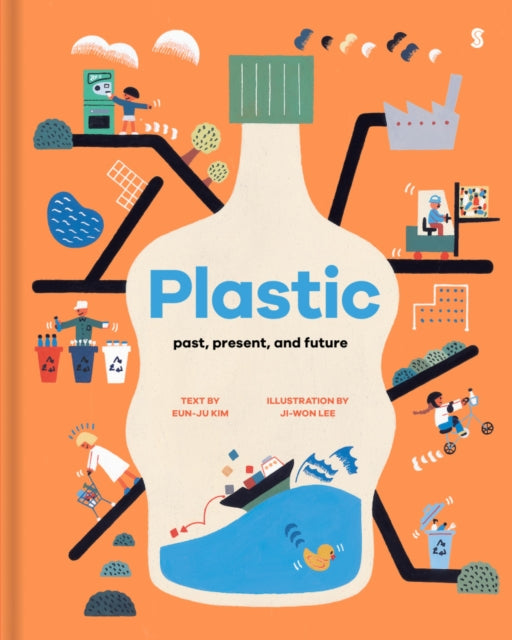
Plastic: past, present, and future
Plastic: past, present, and future
YOU SAVE £3.79
- Condition: Brand new
- UK Delivery times: Usually arrives within 2 - 3 working days
- UK Shipping: Fee starts at £3.89. Subject to product weight & dimension
Bulk ordering. Want 15 or more copies? Get a personalised quote and bigger discounts. Learn more about bulk orders.
Couldn't load pickup availability
- More about Plastic: past, present, and future
The world consumes over 300 million tonnes of plastic annually, and it has been used since the early 1900s. Plastic waste is a major environmental concern that can take hundreds of years to decompose.
Format: Hardback
Length: 36 pages
Publication date: 29 May 2019
Publisher: Scribe Publications
The world consumes over 300 million tonnes of plastic each year, a staggering amount that has significantly impacted our environment. However, the origins of plastic and its widespread use remain somewhat mysterious. In this article, we will explore the history of plastic, its production, recycling, and the impact of plastic waste on our planet.
The first recorded use of plastic dates back to the 19th century, when a Belgian chemist named Leo Baekeland invented Bakelite, a synthetic resin made from phenol and formaldehyde. Bakelite quickly became popular for its durability and versatility, and it was used in a wide range of applications, from electrical components to household appliances.
However, the production of plastic also led to significant environmental concerns. The process of creating plastic requires large amounts of energy and resources, and the production of plastic waste can have devastating impacts on wildlife and ecosystems. Additionally, plastic is not biodegradable, which means that it can persist in the environment for hundreds of years, causing further harm.
Despite these concerns, plastic continues to be a widely used material in many industries, including packaging, construction, and transportation. However, there has been a growing movement to reduce plastic waste and promote sustainable alternatives to plastic. One of the most effective ways to reduce plastic waste is to reduce our use of single-use plastics, such as plastic bags, straws, and disposable cups. Instead, we can use reusable bags, straws, and cups made from materials such as glass, metal, or paper.
Another way to reduce plastic waste is to recycle plastic. However, not all types of plastic are recyclable, and the recycling process can be complex and energy-intensive. Therefore, it is important to ensure that we are recycling the right types of plastic and that our recycling facilities are properly equipped to handle the waste.
In addition to reducing our use and recycling of plastic, we can also promote sustainable alternatives to plastic. For example, we can use materials such as bamboo, cotton, and glass to create products that are durable and environmentally friendly. We can also promote the use of biodegradable materials, such as cornstarch and plant-based plastics, which are less harmful to the environment.
Finally, it is important to raise awareness about the impact of plastic waste on our environment and to encourage individuals and businesses to take action to reduce their plastic waste. This can include reducing our use of plastic, recycling, and promoting sustainable alternatives to plastic.
In conclusion, the history of plastic and its widespread use has had a significant impact on our environment. While plastic has many benefits, it is also important to recognize the negative impacts of plastic waste and to take action to reduce our use and promote sustainable alternatives. By working together, we can help to protect our planet and create a more sustainable future for ourselves and future generations.
The world consumes over 300 million tonnes of plastic each year, a staggering amount that has significantly impacted our environment. However, the origins of plastic and its widespread use remain somewhat mysterious. In this article, we will explore the history of plastic, its production, recycling, and the impact of plastic waste on our planet.
The first recorded use of plastic dates back to the 19th century, when a Belgian chemist named Leo Baekeland invented Bakelite, a synthetic resin made from phenol and formaldehyde. Bakelite quickly became popular for its durability and versatility, and it was used in a wide range of applications, from electrical components to household appliances.
However, the production of plastic also led to significant environmental concerns. The process of creating plastic requires large amounts of energy and resources, and the production of plastic waste can have devastating impacts on wildlife and ecosystems. Additionally, plastic is not biodegradable, which means that it can persist in the environment for hundreds of years, causing further harm.
Despite these concerns, plastic continues to be a widely used material in many industries, including packaging, construction, and transportation. However, there has been a growing movement to reduce plastic waste and promote sustainable alternatives to plastic. One of the most effective ways to reduce plastic waste is to reduce our use of single-use plastics, such as plastic bags, straws, and disposable cups. Instead, we can use reusable bags, straws, and cups made from materials such as glass, metal, or paper.
Another way to reduce plastic waste is to recycle plastic. However, not all types of plastic are recyclable, and the recycling process can be complex and energy-intensive. Therefore, it is important to ensure that we are recycling the right types of plastic and that our recycling facilities are properly equipped to handle the waste.
In addition to reducing our use and recycling of plastic, we can also promote sustainable alternatives to plastic. For example, we can use materials such as bamboo, cotton, and glass to create products that are durable and environmentally friendly. We can also promote the use of biodegradable materials, such as cornstarch and plant-based plastics, which are less harmful to the environment.
Finally, it is important to raise awareness about the impact of plastic waste on our environment and to encourage individuals and businesses to take action to reduce their plastic waste. This can include reducing our use of plastic, recycling, and promoting sustainable alternatives to plastic.
In conclusion, the history of plastic and its widespread use has had a significant impact on our environment. While plastic has many benefits, it is also important to recognize the negative impacts of plastic waste and to take action to reduce our use and promote sustainable alternatives. By working together, we can help to protect our planet and create a more sustainable future for ourselves and future generations.
Weight: 448g
Dimension: 290 x 236 x 10 (mm)
ISBN-13: 9781912854134
UK and International shipping information
UK and International shipping information
We deliver throughout the United Kingdom and to 128 countries and territories worldwide, including the United States, Australia, Canada, Germany, Spain and France.