Shulph Ink
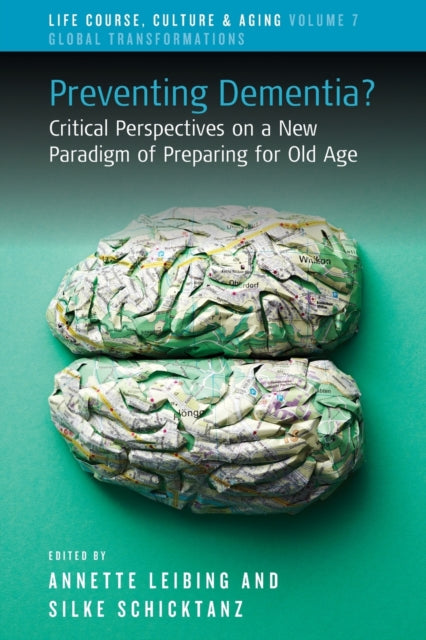
Preventing Dementia?: Critical Perspectives on a New Paradigm of Preparing for Old Age
Preventing Dementia?: Critical Perspectives on a New Paradigm of Preparing for Old Age
💎 Earn 68 Points (£0.68) on this item.
We can order this item for you. Delivery usually takes about 4 to 6 weeks.
This item is not held in our immediate stock. We will order it for you after checkout.
Estimated delivery: About 4 to 6 weeks
YOU SAVE £2.31
- Condition: Brand new
- UK Delivery times: Usually arrives within 2 - 3 working days
- UK Shipping: Fee starts at £3.89. Subject to product weight & dimension
Bulk ordering. Want 15 or more copies? Get a personalised quote and bigger discounts. Learn more about bulk orders.
Couldn't load pickup availability
- More about Preventing Dementia?: Critical Perspectives on a New Paradigm of Preparing for Old Age
The claim that dementia can be prevented through early detection and controlling risk factors is open to scrutiny, as this volume explores how it ignores many factors that influence a dementia sufferer's prognosis. It questions the concept of prevention and analyzes its impact on aging people and societies.
Format: Paperback / softback
Length: 268 pages
Publication date: 09 June 2023
Publisher: Berghahn Books
Dementia, a complex and devastating condition that affects millions of individuals worldwide, has undergone a significant shift in conceptualization in recent years. The prevailing belief is that early detection and the control of various risk factors can potentially prevent the onset of dementia. While this notion offers a glimmer of hope against a feared condition, it warrants careful examination. This volume delves into the shortcomings of this new conceptualization, highlighting how it overlooks numerous factors that influence the prognosis of dementia sufferers. These factors encompass education, dietary habits, physical activity, and the cultural context in which individuals live. By questioning the concept of prevention and analyzing its impact on aging individuals and aging societies, this book aims to shed light on the complexities and challenges associated with dementia prevention and care.
Early detection and control of risk factors are believed to hold the key to preventing dementia, a complex and devastating condition that affects millions of individuals worldwide. While this notion provides hope against a feared condition, it is essential to examine its validity carefully. This volume explores the shortcomings of the current conceptualization of dementia prevention, highlighting how it overlooks numerous factors that influence the prognosis of dementia sufferers. These factors encompass education, dietary habits, physical activity, and the cultural context in which individuals live. By questioning the concept of prevention and analyzing its impact on aging individuals and aging societies, this book aims to shed light on the complexities and challenges associated with dementia prevention and care.
Education plays a crucial role in dementia prevention, as individuals with higher levels of education are less likely to develop the condition. Studies have shown that individuals with higher education levels have better cognitive function and memory retention, which can reduce the risk of dementia. However, this new conceptualization of dementia prevention fails to acknowledge the impact of education on prognosis, as it overlooks the disparities in access to education and the quality of education received by different populations.
Dietary habits also play a significant role in dementia prevention, as a healthy diet rich in fruits, vegetables, and whole grains has been linked to a lower risk of the condition. However, this new conceptualization of dementia prevention fails to consider the cultural and socioeconomic factors that influence dietary choices, as individuals from different backgrounds may have different dietary preferences and restrictions. Moreover, the impact of diet on dementia prevention may vary depending on individual genetics and other health conditions.
Physical activity is another important factor in dementia prevention, as regular exercise has been shown to improve cognitive function and reduce the risk of dementia. However, this new conceptualization of dementia prevention overlooks the barriers to physical activity, such as access to exercise facilities, transportation, and cultural norms that discourage physical activity. Additionally, the impact of physical activity on dementia prevention may vary depending on individual genetics and other health conditions.
Cultural context also plays a significant role in dementia prevention, as individuals from different cultures may have different beliefs, practices, and attitudes towards aging and dementia. This new conceptualization of dementia prevention fails to acknowledge the impact of cultural differences on prognosis, as it overlooks the social and emotional support systems that are essential for individuals with dementia. Moreover, cultural differences may influence the availability and quality of healthcare services, which can impact the prognosis of individuals with dementia.
In conclusion, the conceptualization of dementia has changed dramatically in recent years, with the claim that prevention is possible through early detection and control of risk factors. While this notion offers hope against a feared condition, it is essential to examine its validity carefully. This volume highlights the shortcomings of the current conceptualization of dementia prevention, emphasizing how it overlooks numerous factors that influence the prognosis of dementia sufferers. By questioning the concept of prevention and analyzing its impact on aging individuals and aging societies, this book aims to shed light on the complexities and challenges associated with dementia prevention and care. It is crucial to address the disparities in access to education, dietary habits, physical activity, and cultural support systems to ensure that all individuals have the opportunity to reduce their risk of dementia and live healthy and fulfilling lives.
ISBN-13: 9781800739376
UK and International shipping information
UK and International shipping information
We deliver throughout the United Kingdom and to 128 countries and territories worldwide, including the United States, Australia, Canada, Germany, Spain and France.