Shulph Ink
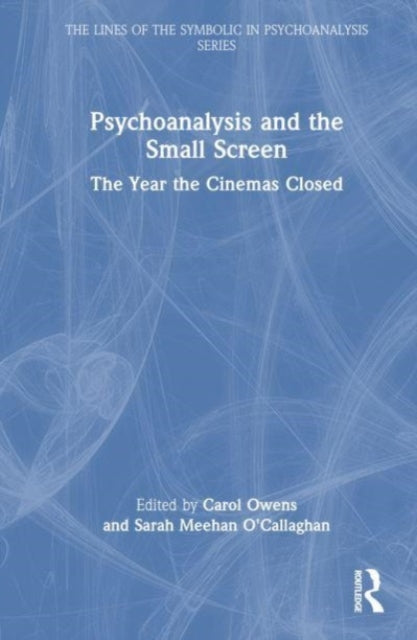
Psychoanalysis and the Small Screen: The Year the Cinemas Closed
Psychoanalysis and the Small Screen: The Year the Cinemas Closed
💎 Earn 811 Points (£8.11) on this item.
We can order this item for you. Delivery usually takes about 4 to 6 weeks.
This item is not held in our immediate stock. We will order it for you after checkout.
Estimated delivery: About 4 to 6 weeks
YOU SAVE £9.63
- Condition: Brand new
- UK Delivery times: Usually arrives within 2 - 3 working days
- UK Shipping: Fee starts at £2.39. Subject to product weight & dimension
Bulk ordering. Want 15 or more copies? Get a personalised quote and bigger discounts. Learn more about bulk orders.
Couldn't load pickup availability
- More about Psychoanalysis and the Small Screen: The Year the Cinemas Closed
This book explores the intersection of film and psychoanalysis, particularly in the context of Covid-19 and lockdown in the UK and Ireland. It offers an interdisciplinary approach and considers the long-term psycho-social-cultural implications of online therapy and small-screen experiences. It appeals to researchers and students in cultural studies, film studies, and psychoanalytic theory, with a clinical dimension for practicing psychoanalysts.
Format: Hardback
Length: 198 pages
Publication date: 11 August 2023
Publisher: Taylor & Francis Ltd
This book, co-edited by Carol Owens, a renowned author in the field of Lacanian psychoanalysis, takes an interdisciplinary approach to film and psychoanalysis, with a particular focus on the context of Covid-19 and lockdown in the UK and Ireland. It delves into the long-term psycho-social-cultural implications of the transition to online therapy and other small-screen experiences, such as entertainment consumption, from a psychoanalytic perspective. Appealing to researchers and students in fields such as cultural studies, film studies, and psychoanalytic theory, the book includes chapters that also have a clinical dimension for practicing psychoanalysts.
The book explores the impact of the pandemic on mental health and well-being, and how the shift to online therapy and other digital experiences has influenced the therapeutic process. It examines the advantages and challenges of these new modes of communication and their potential implications for the future of psychoanalysis.
One of the key themes of the book is the role of technology in shaping our understanding of the self and the Other. The authors argue that the pandemic has accelerated the digitalization of society, leading to a greater reliance on technology for communication and entertainment. This has had a profound impact on our relationships with others, as we now communicate through screens rather than face-to-face.
The book also explores the impact of lockdown on mental health and well-being. The authors argue that the isolation and confinement caused by lockdown have led to increased anxiety, depression, and other mental health issues. They suggest that online therapy and other digital experiences can provide a valuable source of support and connection for individuals who are struggling with these issues.
However, the book also raises concerns about the potential risks and limitations of online therapy. The authors argue that the lack of physical presence can make it difficult to establish a therapeutic relationship and that the digital medium can be prone to misinterpretation and miscommunication. They suggest that practicing psychoanalysts need to be aware of these challenges and develop strategies to mitigate them.
The book also explores the role of entertainment consumption in shaping our understanding of the self and the Other. The authors argue that popular culture, such as movies, TV shows, and video games, can provide a powerful lens through which to examine our relationships with others and ourselves. They suggest that these forms of entertainment can be used as a tool for therapeutic intervention and that they can offer valuable insights into the workings of the mind.
In conclusion, this book offers a comprehensive and interdisciplinary exploration of the relationship between film and psychoanalysis in the context of Covid-19 and lockdown. It provides valuable insights into the long-term psycho-social-cultural implications of the transition to online therapy and other small-screen experiences, and it raises important questions about the role of technology and entertainment in shaping our understanding of the self and the Other. The book is a must-read for researchers and students in a range of fields, and it will also be of interest to practicing psychoanalysts who are looking to expand their understanding of the therapeutic process in the digital age.
Dimension: 234 x 156 (mm)
ISBN-13: 9781032223209
This item can be found in:
UK and International shipping information
UK and International shipping information
UK Delivery and returns information:
- Delivery within 2 - 3 days when ordering in the UK.
- Shipping fee for UK customers from £2.39. Fully tracked shipping service available.
- Returns policy: Return within 30 days of receipt for full refund.
International deliveries:
Shulph Ink now ships to Australia, Belgium, Canada, France, Germany, Ireland, Italy, India, Luxembourg Saudi Arabia, Singapore, Spain, Netherlands, New Zealand, United Arab Emirates, United States of America.
- Delivery times: within 5 - 10 days for international orders.
- Shipping fee: charges vary for overseas orders. Only tracked services are available for most international orders. Some countries have untracked shipping options.
- Customs charges: If ordering to addresses outside the United Kingdom, you may or may not incur additional customs and duties fees during local delivery.