Shulph Ink
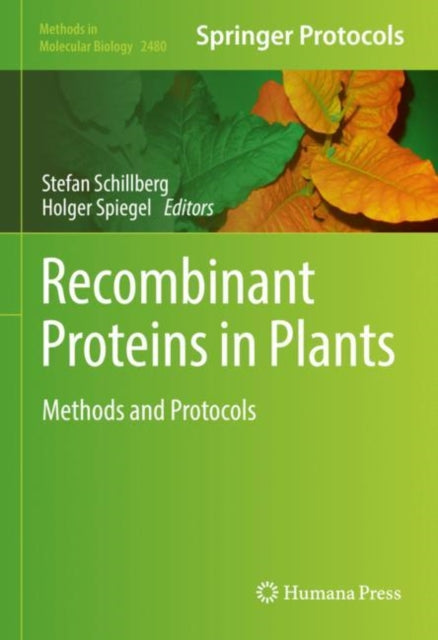
Recombinant Proteins in Plants: Methods and Protocols
Recombinant Proteins in Plants: Methods and Protocols
We can order this item for you. Delivery usually takes about 4 to 6 weeks.
This item is not held in our immediate stock. We will order it for you after checkout.
Estimated delivery: About 4 to 6 weeks
YOU SAVE £32.32
- Condition: Brand new
- UK Delivery times: Usually arrives within 2 - 3 working days
- UK Shipping: Fee starts at £3.89. Subject to product weight & dimension
Bulk ordering. Want 15 or more copies? Get a personalised quote and bigger discounts. Learn more about bulk orders.
Couldn't load pickup availability
- More about Recombinant Proteins in Plants: Methods and Protocols
This book provides methods and protocols for recombinant protein production in plant systems, downstream processing, and optimization, written in the Methods in Molecular Biology series format. It is useful for newcomers and experienced researchers interested in plant-based protein production.
Format: Hardback
Length: 346 pages
Publication date: 27 May 2022
Publisher: Springer-Verlag New York Inc.
This comprehensive volume offers a wealth of methods and protocols for recombinant protein production in various plant systems, downstream processing, and strategies to enhance protein expression. It serves as a valuable guide for readers seeking to delve into the realm of plant-based protein production. The book is organized into chapters, each dedicated to a specific aspect of recombinant protein production.
Chapter 1 provides an introduction to recombinant protein production in plants, highlighting the importance and potential applications of plant-derived proteins in various industries. It discusses the advantages of using plant systems over traditional mammalian expression platforms and outlines the basic principles and techniques involved in recombinant protein production.
Chapter 2 focuses on recombinant protein production in important plant systems, such as Arabidopsis thaliana, rice, and soybean. It provides detailed protocols for plant transformation, gene expression, and protein purification, covering key steps such as agroinfiltration, transient expression, and affinity chromatography. The chapter also discusses strategies to optimize productivity and overcome challenges associated with plant-based protein production.
Chapter 3 explores protein recovery and purification techniques, including methods such as cell lysis, centrifugation, and chromatography. It discusses the advantages and limitations of each technique and provides step-by-step protocols for efficient protein isolation and purification from plant tissues. The chapter also highlights the importance of quality control and troubleshooting in protein purification.
Chapter 4 discusses different strategies to optimize productivity in recombinant protein production. It covers topics such as plant growth conditions, gene expression levels, and post-translational modifications. The chapter provides insights into the factors that influence protein expression and offers practical tips on how to enhance protein yield and purity.
Chapter 5 explores cloning and fusion protein approaches in recombinant protein production. It discusses the advantages and limitations of these methods and provides step-by-step protocols for constructing recombinant plasmids, expressing fusion proteins, and purifying the resulting products. The chapter also highlights the importance of protein stability and folding for proper function.
Chapter 6 focuses on the regulation and freedom to operate analysis of plant-produced proteins. It discusses the regulatory frameworks and intellectual property considerations associated with plant-based protein production. The chapter provides insights into the legal and ethical aspects of using plant-derived proteins in various applications, including food and medicine.
Chapter 7 explores the application of recombinant proteins in various industries, such as agriculture, biotechnology, and pharmaceutical industries. It provides examples of successful applications of plant-derived proteins in the development of vaccines, therapeutics, and biopharmaceuticals. The chapter also discusses the challenges and opportunities associated with commercialization of plant-produced proteins.
Chapter 8 discusses the future trends and developments in recombinant protein production in plants. It discusses emerging technologies, such as CRISPR-Cas9 gene editing, and their potential applications in plant-based protein production. The chapter also highlights the need for continuous research and innovation to improve the efficiency, sustainability, and cost-effectiveness of plant-based protein production.
Chapter 9 provides a comprehensive list of the necessary materials and reagents for recombinant protein production in plants. It includes a detailed description of the equipment and instruments required for plant transformation, gene expression, and protein purification. The chapter also provides information on suppliers and resources for obtaining the required materials.
Chapter 10 offers tips on troubleshooting and avoiding known pitfalls in recombinant protein production. It discusses common errors and challenges that researchers may encounter and provides practical solutions to overcome them. The chapter also highlights the importance of good laboratory practices and record-keeping to ensure the accuracy and reliability of experimental results.
Chapter 11 concludes the book by emphasizing the importance of recombinant proteins in addressing global food security, sustainable agriculture, and healthcare needs. It highlights the potential of plant-based protein production to contribute to the development of sustainable and environmentally friendly food systems and the development of novel therapeutics and biopharmaceuticals.
Written in the highly successful Methods in Molecular Biology series format, chapters in this book include introductions to their respective topics, comprehensive lists of the necessary materials and reagents, step-by-step, readily reproducible laboratory protocols, and helpful tips on troubleshooting and avoiding known pitfalls. The book is designed to be accessible to newcomers and experienced researchers interested in expanding their expertise in the field of plant-based protein production.
In conclusion, Recombinant Proteins in Plants: Methods and Protocols is a valuable resource for researchers and scientists seeking to explore the potential of plant-based protein production. With its comprehensive coverage of methods, protocols, and strategies, the book provides a solid foundation for advancing our understanding of plant-based protein expression and its applications in various industries. By leveraging the advantages of plant systems, we can develop sustainable and environmentally friendly protein production technologies that have the potential to address global food security, healthcare, and other societal challenges.
Weight: 867g
Dimension: 254 x 178 (mm)
ISBN-13: 9781071622407
Edition number: 1st ed. 2022
UK and International shipping information
UK and International shipping information
We deliver throughout the United Kingdom and to 128 countries and territories worldwide, including the United States, Australia, Canada, Germany, Spain and France.