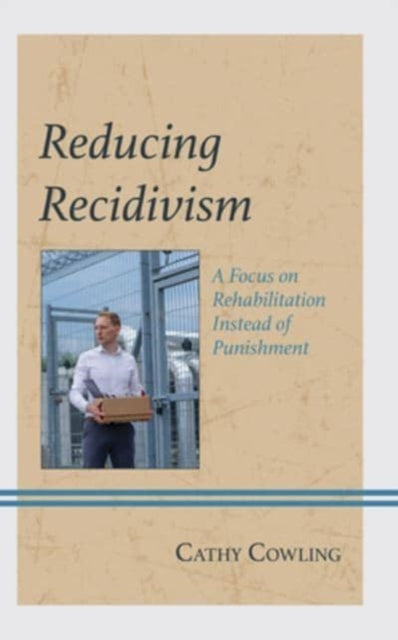
Cathy Cowling
Reducing Recidivism: A Focus on Rehabilitation Instead of Punishment
Reducing Recidivism: A Focus on Rehabilitation Instead of Punishment
💎 Earn 345 Points (£3.45) on this item.
We can order this item for you. Delivery usually takes about 4 to 6 weeks.
This item is not held in our immediate stock. We will order it for you after checkout.
Estimated delivery: About 4 to 6 weeks
- Condition: Brand new
- UK Delivery times: Usually arrives within 2 - 3 working days
- UK Shipping: Fee starts at £3.89. Subject to product weight & dimension
Bulk ordering. Want 15 or more copies? Get a personalised quote and bigger discounts. Learn more about bulk orders.
Couldn't load pickup availability
- More about Reducing Recidivism: A Focus on Rehabilitation Instead of Punishment
Recidivism prevention can improve neighborhoods, save taxpayers money, and reduce trauma, focusing on rehabilitation through education, rehabilitation, cognitive behavioral therapy, employment programs, reentry initiatives, faith-based instruction, and social capital.
Format: Hardback
Length: 102 pages
Publication date: 15 May 2023
Publisher: Lexington Books
Recidivism is a significant issue that affects neighborhoods, taxpayers, and individuals involved in the criminal justice system. It is essential to prevent recidivism to strengthen communities, save taxpayers money, and reduce the trauma associated with crime. Instead of focusing solely on punishment, our system should prioritize rehabilitation. This book argues that reducing recidivism is possible through various strategies, including education availability, rehabilitation, cognitive behavioral therapy, employment programs, reentry initiatives, faith-based instruction, and social capital provided by family and friends.
Education Availability: Education is a powerful tool for reducing recidivism. Providing access to education programs can help individuals develop skills, gain knowledge, and improve their employment prospects. Education can also help individuals develop a sense of purpose and self-worth, which can reduce the likelihood of reoffending.
Rehabilitation: Rehabilitation programs can help individuals address the underlying causes of their criminal behavior. These programs can include counseling, therapy, and job training. Rehabilitation programs can help individuals develop the skills and knowledge necessary to succeed in the workforce and avoid reoffending.
Cognitive Behavioral Therapy: Cognitive behavioral therapy is a type of therapy that helps individuals change their negative thought patterns and behaviors. This therapy can help individuals develop coping skills, manage stress, and reduce the likelihood of reoffending.
Employment Programs: Employment programs can help individuals find employment and provide them with a stable income. Employment programs can also help individuals develop a sense of purpose and self-worth, which can reduce the likelihood of reoffending.
Reentry Initiatives: Reentry initiatives can help individuals transition back into society after being released from prison. These initiatives can include job training, housing assistance, and mental health services. Reentry initiatives can help individuals reduce the likelihood of reoffending and reintegrate into their communities.
Faith-Based Instruction: Faith-based instruction can help individuals develop a sense of spirituality and purpose. This instruction can also help individuals develop coping skills and manage stress.
Social Capital: Social capital is the resources and support that individuals receive from their family and friends. Social capital can help individuals develop a sense of belonging and reduce the likelihood of reoffending.
To prevent recidivism, our system should invest in education availability, rehabilitation, cognitive behavioral therapy, employment programs, reentry initiatives, faith-based instruction, and social capital. By providing these resources and support, we can help individuals develop the skills and knowledge necessary to succeed in the workforce and avoid reoffending.
In conclusion, recidivism is a significant issue that affects neighborhoods, taxpayers, and individuals involved in the criminal justice system. By focusing on rehabilitation rather than punishment, we can help individuals develop the skills and knowledge necessary to succeed in the workforce and avoid reoffending. By investing in education availability, rehabilitation, cognitive behavioral therapy, employment programs, reentry initiatives, faith-based instruction, and social capital, we can create a safer and more just society.
Weight: 336g
Dimension: 239 x 157 x 14 (mm)
ISBN-13: 9781793626318
UK and International shipping information
UK and International shipping information
We deliver throughout the United Kingdom and to 128 countries and territories worldwide, including the United States, Australia, Canada, Germany, Spain and France.