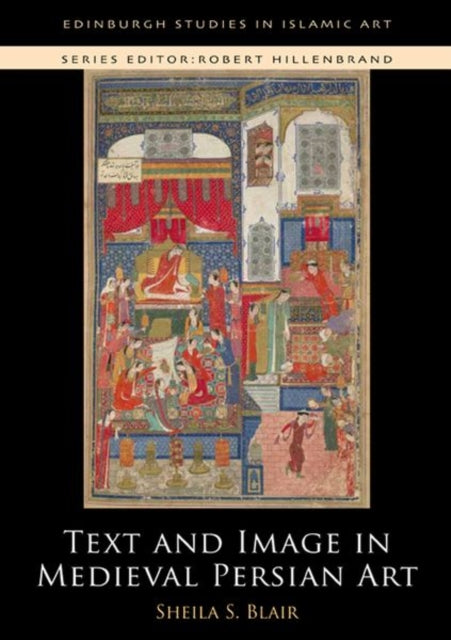
Sheila S. Blair
Text and Image in Medieval Persian Art
Text and Image in Medieval Persian Art
💎 Earn 210 Points (£2.10) on this item.
YOU SAVE £12.81
- Condition: Brand new
- UK Delivery times: Usually arrives within 2 - 3 working days
- UK Shipping: Fee starts at £3.89. Subject to product weight & dimension
Bulk ordering. Want 15 or more copies? Get a personalised quote and bigger discounts. Learn more about bulk orders.
Couldn't load pickup availability
- More about Text and Image in Medieval Persian Art
Sheila S. Blair explores how Greater Iranian artisans played with form, material, and decoration to engage their audiences, focusing on 5 objects from the 10th to the 16th century.
Format: Paperback / softback
Length: 288 pages
Publication date: 31 January 2019
Publisher: Edinburgh University Press
Sheila S. Blair delves into the captivating world of Greater Iranian artisans, exploring their intricate artistry and creative prowess from the 10th to the 16th century. Through a meticulous examination of five key objects found in the main media of the time—ceramics, metalware, painting, architecture, and textiles—Blair reveals the profound ways in which these artisans engaged their audiences through their skillful manipulation of form, material, and decoration.
In the realm of ceramics, Greater Iranian artisans showcased their mastery by crafting exquisite vessels, sculptures, and figurines. They experimented with various clay types, glazing techniques, and decorative motifs, resulting in a wide array of stunning works that reflected the rich cultural heritage of the region. From delicate tea sets to elaborate funeral urns, ceramics played a vital role in everyday life and served as a medium for artistic expression.
Metalware, another prominent medium, saw the artisans of Greater Iran create intricate and decorative objects such as swords, daggers, and jewelry. They employed techniques such as forging, casting, and engraving to shape and embellish metal, resulting in pieces that were both functional and visually striking. The use of precious metals, gemstones, and intricate patterns added to the allure of these metalware objects, making them coveted by collectors and scholars alike.
Painting, another artistic discipline, flourished in Greater Iran during this period. Artists employed a range of techniques, including oil painting, watercolor, and fresco, to depict a diverse range of subjects. From religious scenes and portraits to landscapes and mythical creatures, paintings served as a means of storytelling and conveying cultural values. The use of vibrant colors, intricate details, and symbolic imagery added depth and richness to these works, captivating viewers and leaving a lasting impact.
Architecture, as an integral part of the visual landscape, also played a significant role in Greater Iranian art. Architects designed and constructed awe-inspiring structures, including mosques, palaces, and tombs, that showcased their technical expertise and artistic vision. They incorporated intricate decorative elements, such as carvings, mosaics, and stained glass, into their designs, creating a harmonious blend of form and function. These architectural masterpieces not only served religious and ceremonial purposes but also reflected the social and economic status of the communities they were built for.
Lastly, textiles, a versatile medium, were used by Greater Iranian artisans to create a wide range of objects, including fabrics, carpets, and tapestries. They employed techniques such as weaving, embroidery, and dyeing to produce intricate patterns and designs that reflected the cultural and regional influences of the time. Textiles played a crucial role in clothing, decoration, and storytelling, and they were often used to convey religious and moral messages.
In conclusion, Sheila S. Blair's exploration of Greater Iranian artisans from the 10th to the 16th century provides a profound insight into the rich and diverse artistic traditions of the region. Through a meticulous examination of five key objects found in the main media of the time—ceramics, metalware, painting, architecture, and textiles—Blair showcases the artisans' skillful manipulation of form, material, and decoration, engaging their audiences and leaving a lasting impact on the artistic landscape. The mastery displayed by these artisans in their respective fields highlights the profound cultural and artistic heritage of Greater Iran, and their contributions continue to inspire and influence artists to this day.
Weight: 880g
Dimension: 244 x 172 x 17 (mm)
ISBN-13: 9781474446327
UK and International shipping information
UK and International shipping information
We deliver throughout the United Kingdom and to 128 countries and territories worldwide, including the United States, Australia, Canada, Germany, Spain and France.