Sjoerdvan Tuinen
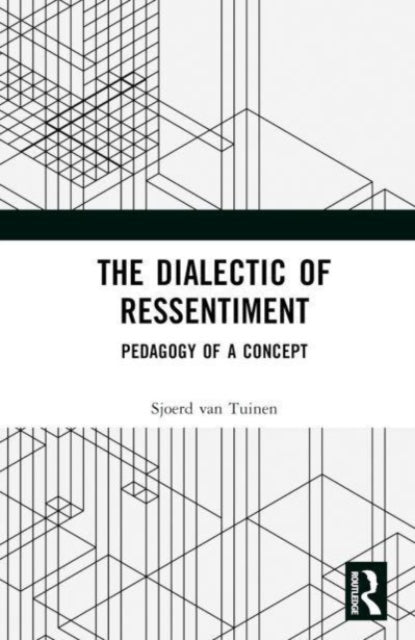
The Dialectic of Ressentiment: Pedagogy of a Concept
The Dialectic of Ressentiment: Pedagogy of a Concept
💎 Earn 811 Points (£8.11) on this item.
We can order this item for you. Delivery usually takes about 4 to 6 weeks.
This item is not held in our immediate stock. We will order it for you after checkout.
Estimated delivery: About 4 to 6 weeks
YOU SAVE £9.63
- Condition: Brand new
- UK Delivery times: Usually arrives within 2 - 3 working days
- UK Shipping: Fee starts at £3.89. Subject to product weight & dimension
Bulk ordering. Want 15 or more copies? Get a personalised quote and bigger discounts. Learn more about bulk orders.
Couldn't load pickup availability
- More about The Dialectic of Ressentiment: Pedagogy of a Concept
This book offers a comprehensive and detailed critique of the distinct and polemical senses in which the concept of ressentiment is used today, drawing upon a wide variety of authors, approaches, and ideological contexts.
Format: Hardback
Length: 292 pages
Publication date: 20 July 2023
Publisher: Taylor & Francis Ltd
This book offers a comprehensive and detailed critique of the distinct and polemical senses in which the concept of ressentiment (and its cognate resentment) is used today, drawing upon a wide variety of authors, approaches, and ideological contexts.
Resentment is a complex and multifaceted emotion that has been studied and analyzed by scholars from various fields, including psychology, sociology, and philosophy. It is often associated with negative feelings such as anger, envy, and jealousy, and can be triggered by a wide range of factors, such as social inequality, personal trauma, or perceived injustices.
One of the key aspects of resentment is its ability to distort our perception of reality and to undermine our relationships with others. When we hold onto resentments, we may become preoccupied with our own grievances and fail to see the perspectives of those around us. This can lead to conflict and polarization, as individuals and groups become more entrenched in their own beliefs and values.
Resentment can also have significant health consequences, both physical and mental. Studies have shown that chronic resentment can lead to increased levels of stress, anxiety, and depression, as well as physical symptoms such as heart disease and digestive problems. Moreover, resentment can contribute to a sense of powerlessness and hopelessness, which can further exacerbate mental health issues.
Despite the negative consequences of resentment, there are also strategies for managing and overcoming it. One of the most effective approaches is to develop empathy and compassion for others, which can help us to see their perspectives and to recognize the common humanity that we all share. This can lead to a greater sense of forgiveness and reconciliation, which can improve our relationships with others and promote a more peaceful and harmonious society.
Another strategy for managing resentment is to focus on our own personal growth and development. By identifying our own biases and assumptions and working to overcome them, we can become more open-minded and adaptable, which can help us to navigate difficult social situations more effectively. This can also lead to a greater sense of self-esteem and self-worth, which can improve our overall well-being.
In conclusion, resentment is a complex and multifaceted emotion that can have significant negative consequences for individuals and society as a whole. However, by developing empathy and compassion for others and focusing on our own personal growth and development, we can manage and overcome resentment and promote a more peaceful and harmonious society.
Resentment is a multifaceted and complex emotion that has been extensively studied and analyzed by scholars from various fields, including psychology, sociology, and philosophy. It is often associated with negative feelings such as anger, envy, and jealousy, and can be triggered by a wide range of factors, such as social inequality, personal trauma, or perceived injustices.
One of the key aspects of resentment is its ability to distort our perception of reality and undermine our relationships with others. When we hold onto resentments, we may become preoccupied with our own grievances and fail to see the perspectives of those around us. This can lead to conflict and polarization, as individuals and groups become more entrenched in their own beliefs and values.
Resentment can also have significant health consequences, both physical and mental. Studies have shown that chronic resentment can lead to increased levels of stress, anxiety, and depression, as well as physical symptoms such as heart disease and digestive problems. Moreover, resentment can contribute to a sense of powerlessness and hopelessness, which can further exacerbate mental health issues.
Despite the negative consequences of resentment, there are also strategies for managing and overcoming it. One of the most effective approaches is to develop empathy and compassion for others, which can help us to see their perspectives and to recognize the common humanity that we all share. This can lead to a greater sense of forgiveness and reconciliation, which can improve our relationships with others and promote a more peaceful and harmonious society.
Another strategy for managing resentment is to focus on our own personal growth and development. By identifying our own biases and assumptions and working to overcome them, we can become more open-minded and adaptable, which can help us to navigate difficult social situations more effectively. This can also lead to a greater sense of self-esteem and self-worth, which can improve our overall well-being.
In conclusion, resentment is a complex and multifaceted emotion that can have significant negative consequences for individuals and society as a whole. However, by developing empathy and compassion for others and focusing on our own personal growth and development, we can manage and overcome resentment and promote a more peaceful and harmonious society.
Dimension: 229 x 152 (mm)
ISBN-13: 9781032470214
UK and International shipping information
UK and International shipping information
We deliver throughout the United Kingdom and to 128 countries and territories worldwide, including the United States, Australia, Canada, Germany, Spain and France.