Shulph Ink
The Emerging Role of Geomedia in the Environmental Humanities
The Emerging Role of Geomedia in the Environmental Humanities
💎 Earn 169 Points (£1.69) on this item.
We can order this item for you. Delivery usually takes about 4 to 6 weeks.
This item is not held in our immediate stock. We will order it for you after checkout.
Estimated delivery: About 4 to 6 weeks
- Condition: Brand new
- UK Delivery times: Usually arrives within 2 - 3 working days
- UK Shipping: Fee starts at £3.89. Subject to product weight & dimension
Bulk ordering. Want 15 or more copies? Get a personalised quote and bigger discounts. Learn more about bulk orders.
Couldn't load pickup availability
- More about The Emerging Role of Geomedia in the Environmental Humanities
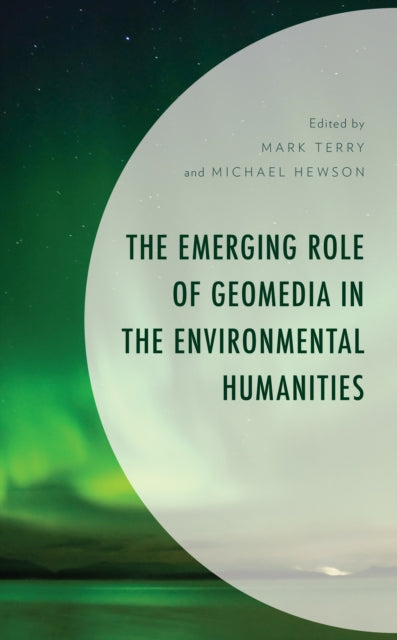
The Emerging Role of Geomedia in the Environmental Humanities explores the use of geomedia in environmental humanities research and analyses, including geographic information systems, global positioning systems, geo-doc filmmaking, and related geo-locative systems. It examines how these technologies impact knowledge production and promote First Nation people perspectives.
Format: Paperback / softback
Length: 208 pages
Publication date: 15 May 2024
Publisher: Lexington Books
The Emerging Role of Geomedia in the Environmental Humanities, edited by Mark Terry and Michael Hewson, offers a comprehensive exploration of the diverse methods and approaches employed by environmental humanists to integrate geomedia into their research and analyses. The book delves into various applications, including geographic information systems, global positioning systems, geo-doc filmmaking, and related geo-locative systems, which are emerging as innovative tools for research and analysis in environmental humanities investigations. The contributors delve into the impact of these new methodologies on the production of knowledge in this field, highlighting how they enhance the understanding of environmental issues and promote the inclusion of First Nation people perspectives.
The Emerging Role of Geomedia in the Environmental Humanities
Edited by Mark Terry and Michael Hewson, The Emerging Role of Geomedia in the Environmental Humanities provides a comprehensive overview of the various methods and approaches used by environmental humanists to incorporate geomedia into their research and analyses. The book explores a range of applications, including geographic information systems, global positioning systems, geo-doc filmmaking, and related geo-locative systems, which are emerging as innovative tools for research and analysis in environmental humanities investigations. The contributors delve into the impact of these new methodologies on the production of knowledge in this field, highlighting how they enhance the understanding of environmental issues and promote the inclusion of First Nation people perspectives.
Chapters in the Book Examine Various Applications of Geomedia
The book's chapters examine various applications of geomedia in environmental humanities research. For instance, geographic information systems (GIS) are used to create maps, analyze spatial data, and identify patterns in environmental phenomena. Global positioning systems (GPS) are used to track the movement of individuals and objects, providing valuable insights into environmental behavior and patterns. Geo-doc filmmaking involves the use of video and audio to document environmental issues and promote awareness. Related geo-locative systems, such as geotagging and location-based services, are used to provide real-time information about environmental conditions and locations.
Contributors Explore Impact of New Methodologies on Knowledge Production
The contributors to The Emerging Role of Geomedia in the Environmental Humanities also explore the impact of these new methodologies on the production of knowledge in this field. They argue that these methodologies have the potential to transform the way we understand and interact with the environment. By providing new ways of collecting and analyzing data, they can help us identify new patterns and trends that were previously hidden or difficult to observe. Additionally, they can help us develop more effective strategies for addressing environmental challenges and promoting sustainability.
Promoting the Impact of First Nation People Perspectives
Another important aspect of The Emerging Role of Geomedia in the Environmental Humanities is the promotion of the impact of First Nation people perspectives. The book recognizes the importance of indigenous knowledge and the role that First Nation people play in environmental stewardship and conservation. By incorporating First Nation people perspectives into research and analyses, we can gain a more comprehensive understanding of environmental issues and develop more effective strategies for addressing them. The book highlights the importance of working collaboratively with First Nation communities to develop research projects and to ensure that their perspectives are represented in the final results.
Conclusion
In conclusion, The Emerging Role of Geomedia in the Environmental Humanities is a valuable resource for environmental humanists, researchers, and practitioners. It provides a comprehensive overview of the various methods and approaches used by environmental humanists to incorporate geomedia into their research and analyses. By exploring the impact of these new methodologies on the production of knowledge and promoting the impact of First Nation people perspectives, the book helps to advance our understanding of environmental issues and promote sustainability.
Weight: 286g
Dimension: 228 x 151 x 12 (mm)
ISBN-13: 9781666913446
UK and International shipping information
UK and International shipping information
We deliver throughout the United Kingdom and to 128 countries and territories worldwide, including the United States, Australia, Canada, Germany, Spain and France.