Shulph Ink
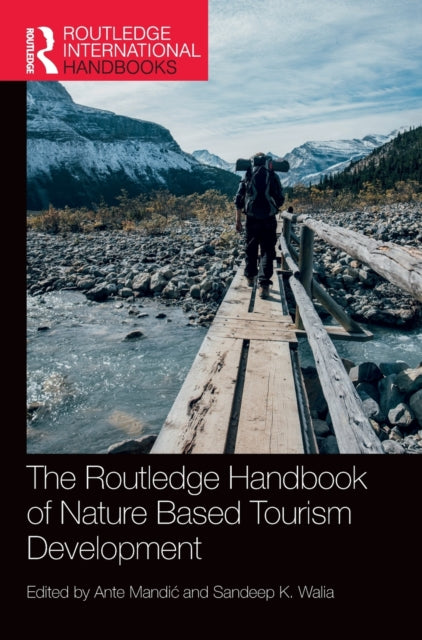
The Routledge Handbook of Nature Based Tourism Development
The Routledge Handbook of Nature Based Tourism Development
YOU SAVE £20.68
- Condition: Brand new
- UK Delivery times: Usually arrives within 2 - 3 working days
- UK Shipping: Fee starts at £3.89. Subject to product weight & dimension
Bulk ordering. Want 15 or more copies? Get a personalised quote and bigger discounts. Learn more about bulk orders.
Couldn't load pickup availability
- More about The Routledge Handbook of Nature Based Tourism Development
This handbook provides a comprehensive overview of nature-based tourism development, with interdisciplinary insights from leading researchers, academics, and practitioners. It explores key topics such as natural settings, visitor experience design, management, impacts, and the future of the sector, offering valuable contributions to the knowledge and practice of tourism.
Format: Hardback
Length: 568 pages
Publication date: 29 March 2023
Publisher: Taylor & Francis Ltd
Nature-based tourism is currently the fastest-growing tourism sector globally and for many destinations, the most significant tourism segment. Organized into five parts, this handbook provides contemporary and cutting-edge perspectives on core topics and explores their linkages. It considers, among others, various natural settings and natural attractions where nature-based tourism can be exercised, including: protected and conserved areas, islands, and mountains; the emerging themes shaping the contemporary nature-based tourism development, including ethics, Sustainable Development Goals, COVID-19 crisis, over-tourism, climate change, resilience; and new approaches toward the visitor management and low-impact experience design, including regenerative and transformative tourism, destination stewardship and pro-environmental behavior. Part I introduces the concept of nature-based tourism and the emerging challenges in the field. Part II explores the key components in the management and planning of nature-based tourism development. In Part III the handbook focuses on visitor experience design and management and Part IV highlights the impacts of nature-based tourism. Part V examines the future of nature-based tourism and possible solutions to mitigate associated challenges in the field.
The handbook offers a valuable contribution with a systematic outlook of the phenomenon of nature-based tourism and critical perspectives on key concepts, policy, and practice.
Nature-based tourism is a rapidly growing sector that is becoming increasingly important for many destinations worldwide. It involves traveling to natural environments, such as protected areas, islands, and mountains, to engage in activities that promote sustainable tourism and conservation. This handbook provides a comprehensive overview of the themes and concepts related to nature-based tourism development, offering interdisciplinary insights from leading researchers, academics, and practitioners across the globe.
Part I of the handbook introduces the concept of nature-based tourism and the emerging challenges in the field. It explores the historical background of nature-based tourism, its growth trends, and the various factors that have contributed to its popularity. It also examines the negative impacts of nature-based tourism, such as over-tourism, environmental degradation, and social conflicts.
Part II of the handbook focuses on the key components in the management and planning of nature-based tourism development. It discusses the importance of sustainable tourism practices, such as responsible tourism, low-impact experience design, and community engagement. It also explores the role of government agencies, non-profit organizations, and private sector stakeholders in promoting nature-based tourism and mitigating its negative impacts.
Part III of the handbook explores the visitor experience design and management in nature-based tourism. It discusses the importance of creating immersive and authentic experiences for visitors, while also promoting conservation and sustainable practices. It also examines the use of technology and digital marketing to promote nature-based tourism and reach a wider audience.
Part IV of the handbook highlights the impacts of nature-based tourism on local communities, the environment, and the economy. It discusses the positive and negative social and economic benefits of nature-based tourism, such as job creation, poverty reduction, and cultural preservation. It also examines the challenges of managing and sustaining nature-based tourism in the long term, such as climate change, resource depletion, and biodiversity loss.
Part V of the handbook examines the future of nature-based tourism and possible solutions to mitigate associated challenges. It discusses the need for sustainable tourism policies, regulations, and incentives to promote nature-based tourism development. It also explores the role of education and awareness-raising in promoting sustainable tourism practices and reducing the negative impacts of nature-based tourism.
In conclusion, this handbook offers a valuable contribution to the knowledge around nature-based tourism development. It provides contemporary and cutting-edge perspectives on core topics and explores their linkages. By offering interdisciplinary insights from leading researchers, academics, and practitioners across the globe
This handbook offers a comprehensive overview of the themes and concepts related to nature-based tourism development. Providing interdisciplinary insights from leading researchers, academics, and practitioners across the globe, it delivers a critical and timely contribution to the knowledge around nature-based tourism.
Nature-based tourism is currently the fastest-growing tourism sector globally and for many destinations, the most significant tourism segment. Organized into five parts, this handbook provides contemporary and cutting-edge perspectives on core topics and explores their linkages. It considers, among others, various natural settings and natural attractions where nature-based tourism can be exercised, including: protected and conserved areas, islands, and mountains; the emerging themes shaping the contemporary nature-based tourism development, including ethics, Sustainable Development Goals, COVID-19 crisis, over-tourism, climate change, resilience; and new approaches toward the visitor management and low-impact experience design, including regenerative and transformative tourism, destination stewardship and pro-environmental behavior.
Part I introduces the concept of nature-based tourism and the emerging challenges in the field. It explores the historical background of nature-based tourism, its growth trends, and the various factors that have contributed to its popularity. It also examines the negative impacts of nature-based tourism, such as over-tourism, environmental degradation, and social conflicts.
Part II of the handbook focuses on the key components in the management and planning of nature-based tourism development. It discusses the importance of sustainable tourism practices, such as responsible tourism, low-impact experience design, and community engagement. It also explores the role of government agencies, non-profit organizations, and private sector stakeholders in promoting nature-based tourism and mitigating its negative impacts.
Part III of the handbook explores the visitor experience design and management in nature-based tourism. It discusses the importance of creating immersive and authentic experiences for visitors, while also promoting conservation and sustainable practices. It also examines the use of technology and digital marketing to promote nature-based tourism and reach a wider audience.
Part IV of the handbook highlights the impacts of nature-based tourism on local communities, the environment, and the economy. It discusses the positive and negative social and economic benefits of nature-based tourism, such as job creation, poverty reduction, and cultural preservation. It also examines the challenges of managing and sustaining nature-based tourism in the long term, such as climate change, resource depletion, and biodiversity loss.
Part V of the handbook examines the future of nature-based tourism and possible solutions to mitigate associated challenges. It discusses the need for sustainable tourism policies, regulations, and incentives to promote nature-based tourism development. It also explores the role of education and awareness-raising in promoting sustainable tourism practices and reducing the negative impacts of nature-based tourism.
In conclusion, this handbook offers a valuable contribution to the knowledge around nature-based tourism development. It provides contemporary and cutting-edge perspectives on core topics and explores their linkages. By offering interdisciplinary insights from leading researchers, academics, and practitioners across the globe, it delivers a critical and timely contribution to the knowledge around nature-based tourism.
Dimension: 246 x 174 (mm)
ISBN-13: 9781032137704
UK and International shipping information
UK and International shipping information
We deliver throughout the United Kingdom and to 128 countries and territories worldwide, including the United States, Australia, Canada, Germany, Spain and France.