Bloomsbury Publishing Plc
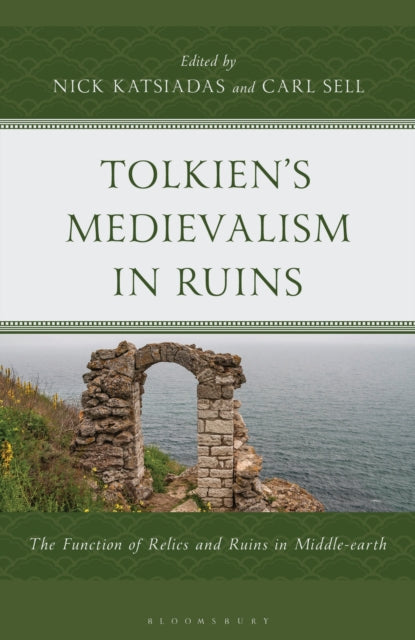
Tolkien's Medievalism in Ruins: The Function of Relics and Ruins in Middle-earth
Tolkien's Medievalism in Ruins: The Function of Relics and Ruins in Middle-earth
💎 Earn 477 Points (£4.77) on this item.
We can order this item for you. Delivery usually takes about 4 to 6 weeks.
This item is not held in our immediate stock. We will order it for you after checkout.
Estimated delivery: About 4 to 6 weeks
- Condition: Brand new
- UK Delivery times: Usually arrives within 2 - 3 working days
- UK Shipping: Fee starts at £3.89. Subject to product weight & dimension
Bulk ordering. Want 15 or more copies? Get a personalised quote and bigger discounts. Learn more about bulk orders.
Couldn't load pickup availability
- More about Tolkien's Medievalism in Ruins: The Function of Relics and Ruins in Middle-earth
The structural and symbolic purposes of ruins in literary texts have a long history, yet few scholars explore their importance within J. R. R. Tolkien’s legendarium.
From the ruins of Erebor and the relics of Gondolin appearing in The Hobbit to the various images of Amon Sûl, Moria, and Osgiliath in The Lord of the Rings, Tolkien constructs a distinct mood—one that captures characters’ awareness of the glories of the past and a desire to emulate them. The scholars who do engage Tolkien’s relics and ruins tend to limit the scope to Tolkien’s debt to the Middle Ages. While such scholarship begins important conversations, the full story of Tolkien’s relics and ruins is left untold. Tolkien’s Medievalism in Ruins takes corrective action and expands this historical and critical literary scope. This collection seeks to promote a more comprehensive approach to Tolkien’s legendarium.
- Publication date: 8 January 2026
- Page count: 268
- Dimensions: Height 229 mm; Width 152 mm
- Publisher: Bloomsbury Publishing Plc
- Format: Hardback
- ISBN-13: 9781666971484
UK and International shipping information
UK and International shipping information
We deliver throughout the United Kingdom and to 128 countries and territories worldwide, including the United States, Australia, Canada, Germany, Spain and France.