Shulph Ink
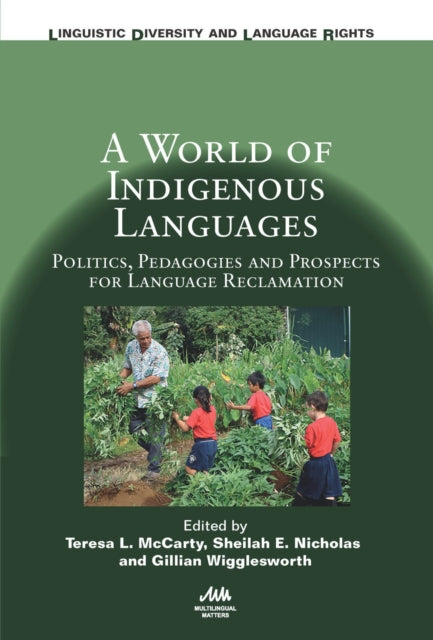
World of Indigenous Languages: Politics, Pedagogies and Prospects for Language Reclamation
World of Indigenous Languages: Politics, Pedagogies and Prospects for Language Reclamation
💎 Earn 123 Points (£1.23) on this item.
We can order this item for you. Delivery usually takes about 4 to 6 weeks.
This item is not held in our immediate stock. We will order it for you after checkout.
Estimated delivery: About 4 to 6 weeks
YOU SAVE £5.22
- Condition: Brand new
- UK Delivery times: Usually arrives within 2 - 3 working days
- UK Shipping: Fee starts at £3.89. Subject to product weight & dimension
Bulk ordering. Want 15 or more copies? Get a personalised quote and bigger discounts. Learn more about bulk orders.
Couldn't load pickup availability
- More about World of Indigenous Languages: Politics, Pedagogies and Prospects for Language Reclamation
Spanning Indigenous settings across six continents, this book examines the multifaceted language reclamation work underway by Indigenous peoples worldwide. The authors foreground Indigenous knowledges and perspectives, highlighting the decolonizing and liberatory aims of contemporary Indigenous language movements inside and outside of schools.
Format: Paperback / softback
Length: 264 pages
Publication date: 13 March 2019
Publisher: Multilingual Matters
Spanning Indigenous settings across Africa, the Americas, Aotearoa/New Zealand, Australia, Central Asia, and the Nordic countries, this comprehensive book delves into the intricate language reclamation efforts undertaken by Indigenous peoples worldwide. It examines political, historical, ideological, and pedagogical dimensions, highlighting the decolonizing objectives of contemporary Indigenous language movements both within and outside educational institutions. Numerous authors contribute their perspectives, sharing insights into language reclamation within their own communities. Collectively, the authors advocate for expanded discourses on language planning and policy that prioritize Indigenous ways of knowing and elevate grassroots language reclamation initiatives as a powerful force for Indigenous sovereignty, social justice, and self-determination. This volume holds significant appeal to scholars, educators, and students specializing in applied linguistics, Ethnic/Indigenous Studies, education, second language acquisition, and comparative-international education, as well as to a broader audience of language educators, revitalizers, and policymakers.
Introduction:
Language reclamation is a vital and multifaceted endeavor that encompasses Indigenous communities across the globe. It involves the revitalization, preservation, and promotion of Indigenous languages, which have been suppressed, marginalized, or endangered due to historical forces such as colonization, assimilation, and language loss. This book aims to provide a comprehensive examination of the diverse language reclamation work underway by Indigenous peoples in various regions, including Africa, the Americas, Aotearoa/New Zealand, Australia, Central Asia, and the Nordic countries.
Political Dimensions:
The political dimensions of language reclamation are central to understanding the challenges and opportunities faced by Indigenous communities. The book explores the historical and contemporary political contexts that have contributed to language loss and the ongoing struggles for language rights and recognition. It examines the role of governments, international organizations, and educational institutions in promoting and supporting language reclamation efforts. The authors also highlight the political implications of language reclamation, such as the potential for cultural sovereignty, identity affirmation, and social justice.
Historical Context:
Understanding the historical context of language reclamation is essential for appreciating the depth and complexity of the work. The book provides a historical overview of the processes that led to language loss and the resilience of Indigenous communities in preserving and revitalizing their languages. It explores the role of colonialism, assimilation policies, and the marginalization of Indigenous cultures in the suppression of Indigenous languages. The authors also examine the historical and cultural significance of Indigenous languages and the ways in which they contribute to the preservation of Indigenous knowledge systems.
Ideological Dimensions:
Language reclamation is not solely a political or historical endeavor; it is also deeply rooted in ideological perspectives. The book explores the various ideologies that have influenced language reclamation movements, including Indigenous sovereignty, cultural revitalization, and language preservation. It examines the challenges and complexities associated with these ideologies, such as the tension between traditional practices and modern development, the role of language in identity formation, and the relationship between language and power. The authors also highlight the importance of decolonizing language planning and policy to promote Indigenous sovereignty and self-determination.
Pedagogical Dimensions:
Language reclamation is not only about revitalizing languages; it is also about promoting language learning and literacy. The book explores the pedagogical approaches and strategies used by Indigenous communities to teach and learn their languages. It examines the role of language revitalization programs, community-based language schools, and the use of technology in language learning. The authors also discuss the challenges and opportunities associated with language revitalization in educational settings, such as the integration of Indigenous languages into the curriculum, the training of teachers, and the promotion of bilingualism.
Grassroots Language Reclamation:
Grassroots language reclamation efforts are a critical component of language revitalization. The book highlights the importance of community-based language revitalization initiatives, where Indigenous communities take ownership of their language revitalization efforts. It examines the strategies and tactics used by communities to promote language learning, such as language camps, storytelling sessions, and language festivals. The authors also discuss the challenges and successes of grassroots language reclamation initiatives, such as the development of language documentation, the preservation of oral traditions, and the integration of language revitalization into broader social and cultural contexts.
Conclusion:
In conclusion, this book provides a comprehensive examination of the multifaceted language reclamation work underway by Indigenous peoples throughout the world. It explores political, historical, ideological, and pedagogical issues, highlighting the decolonizing aims of contemporary Indigenous language movements inside and outside of schools. The authors call for expanded discourses on language planning and policy that embrace Indigenous ways of knowing and forefront grassroots language reclamation efforts as a force for Indigenous sovereignty, social justice, and self-determination. This volume will be of interest to scholars, educators, and students in applied linguistics, Ethnic/Indigenous Studies, education, second language acquisition, and comparative-international education, and to a broader audience of language educators, revitalizers, and policymakers.
Weight: 412g
Dimension: 158 x 234 x 13 (mm)
ISBN-13: 9781788923057
UK and International shipping information
UK and International shipping information
We deliver throughout the United Kingdom and to 128 countries and territories worldwide, including the United States, Australia, Canada, Germany, Spain and France.